Table of contents
- No headings found
Bridging Cash Flow and Crypto: How DeFa by InvoiceMate Turns Real Invoices into Onchain Yield
February 26, 2026

May 2022. Terra Luna, once a $40 billion DeFi ecosystem, collapsed in 72 hours. 20% APY promised on stablecoins. Zero real assets backing it. $60 billion evaporated.
The problem wasn't DeFi itself, it was what the yield was built on: algorithmic promises instead of real economic activity.
DeFa by InvoiceMate flips this model. Instead of speculative tokens, yield comes from verified business invoices, goods delivered, services rendered, and payments insured. It's a protocol that turns real-world trade into transparent, onchain returns.
Real invoices. Real yield. Real protection
From Volatility to Verified Value
DeFa was created for a new generation of investors, institutional and retail, who want yield but without chaos. Instead of unstable token-based systems, DeFa’s returns come from verified business invoices, financed through blockchain and protected by credit insurance.
Every yield in the DeFa ecosystem is grounded in something real: goods delivered, services rendered, and payments made. In simple terms, DeFa turns real invoices into onchain, yield-bearing assets backed by verified data and credit insurance.
The Trust Layer: How InvoiceMate Powers DeFa
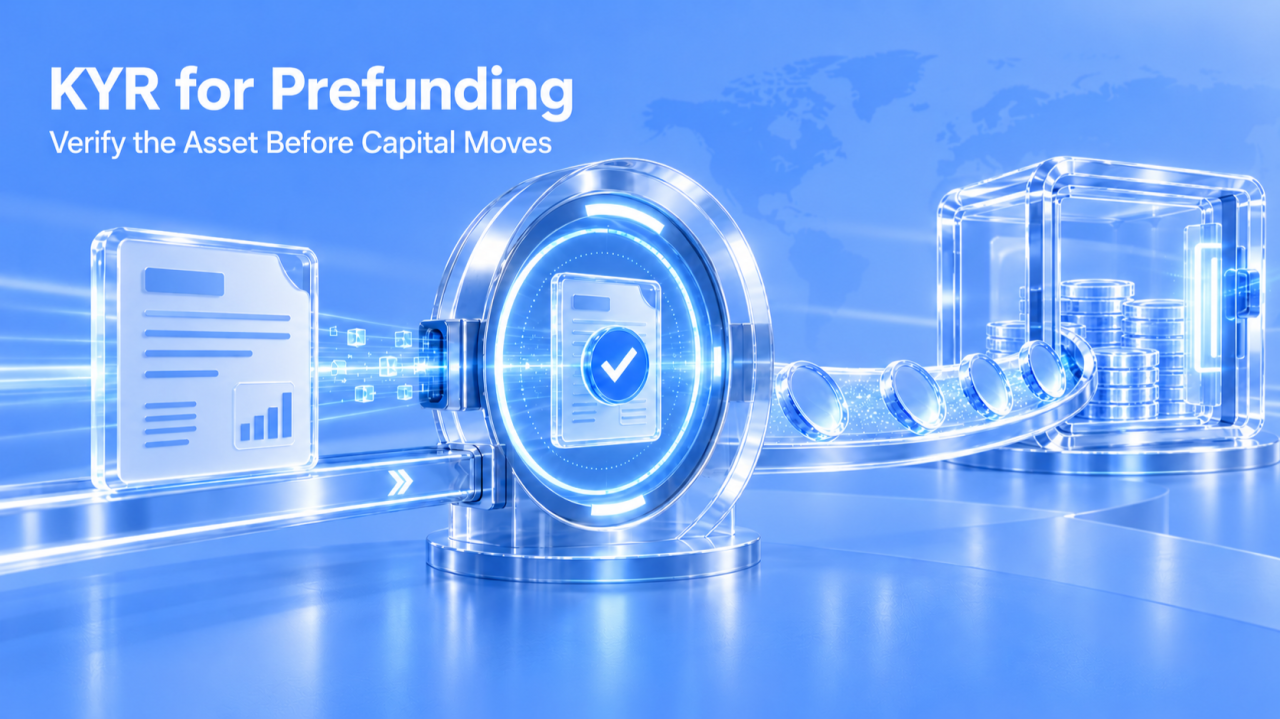
At the heart of DeFa lies InvoiceMate, a blockchain and AI-powered platform that verifies and manages invoices from start to finish. Its innovation, KYI (Know Your Invoice), is the backbone of the system.
Just like KYC verifies customers, KYI verifies the invoice itself, confirming its authenticity, the identities of all parties involved, and the transaction’s full lifecycle. Each verified invoice is timestamped, recorded, and stored immutably on the blockchain.
This creates a new category of trustworthy data, verified trade information that DeFa can safely connect to onchain finance.

How Invoice Tokenization Connects Real-World Assets to DeFi Liquidity
A business issues an invoice for goods or services. That invoice is verified through InvoiceMate’s KYI system, ensuring that it’s authentic, unpaid, and traceable. Once approved, it becomes a finance-ready digital asset.
DeFa then tokenizes this asset and makes it available to investors and liquidity providers. Those investors stake capital into DeFa’s pools, funding real invoices instead of volatile tokens. As the invoices are settled, investors earn yield that’s backed by both verified trade data and credit insurance.
It’s a seamless bridge between traditional finance and decentralized liquidity: fast, transparent, and credit-assured.
What Makes DeFa Different in DeFi Private Credit and RWA Yield Markets
Most DeFi protocols are built on crypto-native assets like tokens or algorithmic systems. While they can generate impressive yields, they often rely on speculative mechanisms, not tangible economic activity.
DeFa is different. It’s based on real invoices, backed by verified trade data and blockchain records. The yield isn’t speculative; it’s derived from actual payments in the real economy.
This combination of real-world assets (RWAs) and DeFi liquidity is what makes DeFa both innovative and stable. It bridges two financial worlds that rarely meet: traditional finance (TradFi), which is grounded in real business activity, and decentralized finance (DeFi), which is open, fast, and global.
DeFa brings them together, creating Credit-Insured DeFi, where financing decisions are based on verified data instead of guesswork, which means stable, transparent returns from real-world activity for investors.
Sustainable DeFi Yield Backed by Verified Trade and Credit Insurance
In a market saturated with high-risk, short-term yield farms, DeFa introduces something refreshingly different: sustainable yield grounded in real economic activity.
Each return earned in DeFa’s ecosystem reflects actual business transactions, products delivered, invoices paid, and trade verified. That’s the kind of stability and transparency the DeFi world has long needed.
By converting verified invoices into onchain assets, DeFa creates a new class of yield opportunities, ones that grow as trade and business expand.
The Future of RWA, DeFi, and Onchain Private Credit in the UAE
DeFa’s vision extends beyond just invoice financing. It represents a blueprint for real-world asset tokenization, a model where verified economic data becomes the foundation for digital liquidity.
As the world moves toward hybrid finance, blending traditional banking with blockchain-based systems in the UAE, DeFa shows how the two can coexist. With InvoiceMate’s verification and DeFa’s decentralized liquidity, financing becomes:
- Faster, work done in minutes, not weeks.
- Safer, verified, transparent, and protected by credit.
- More inclusive, open to businesses and investors worldwide.
Conclusion
The Terra Luna collapse taught the market a hard lesson: yield without real backing is just borrowed time.
DeFa represents the counter-model, where every dollar of yield is tied to verified invoices, insured credit, and real business activity. No algorithmic magic. No unsustainable emissions. Just transparent financing of the $3 trillion invoice market, brought onchain.
As DeFi matures beyond speculation, protocols like DeFa show what's possible when you build on verified value instead of volatility.